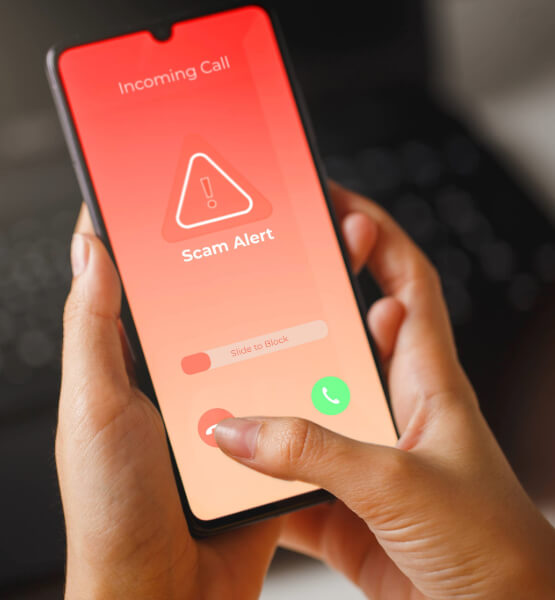
Many of us have had that sinking feeling when we’ve checked our checking account or credit card statement and seen charges we don’t recognize. Did someone steal our identity? Did we get scammed?
Banking scams in particular have become increasingly sophisticated and seem to come from all directions—emails, text messages, phone calls, and even fake financial institution websites. At Capital Credit Union, we want our members to be well-informed about how to identify banking scams and what to do if you’ve been scammed.
Let’s take a look at the most common types of banking scams and then discuss the steps you should take if you know, or even suspect, you’ve been a victim.
Common Types of Banking Scams
Unfortunately, it can be tough to spot some of the banking scams we’ve been seeing lately, especially if you’re busy or in a rush and not really paying close attention. To that end, we’ve included some tell-tale signs that can alert you to a potential banking scam and help you stay aware.Scammers may send fraudulent emails that appear to be from your credit union or other financial institution. Phishing emails usually include urgent language meant to make you panic. For example, “Your account will be suspended if you don’t respond,” or, “There’s a problem with your account.” They may also request sensitive information, such as your password, personal identification number (PIN), or Social Security number (SSN), or include links that take you to login pages that are not the official login page of your financial institution.
To spot these emails, look for misspelled words, unusual formatting, or language that doesn’t seem right, and never give out your personal information without first confirming the sender is who they say they are (more on this later).
Similar to email phishing, you might also receive scam text messages that pretend to be from your credit union or financial institution. Again, these texts might use urgent language indicating there is a problem with your account. In other cases, you might get a more positive message saying that you’ve won a prize or have money waiting for you, but that your account is locked. These texts often include a link or phone number where you can “verify” your account by providing sensitive information.
Once again, you should not share your information without confirmation.
If you receive a phone call claiming to be from your bank, your credit union, a government agency, or “tech support” that asks you for account details, passwords, PINs, or other sensitive personal information, it is likely vishing. Do not give out your information.
Spoofed Websites
In conjunction with the phishing scams described above, you might encounter a fake website that can look almost identical to your credit union’s official website. Known as spoofing, criminals try to disguise the website URL (or email address, phone number, or business name) by subtly changing it in ways they hope you won’t notice. For instance, the URL might be one letter or one number off, or words might be slightly misspelled or added. For example, “Capital Credits Union” or “Caiptal Credit Union” instead of “Capital Credit Union”).
You might believe you are interacting with a legitimate and trusted entity and end up entering personal, sensitive, or financial information; downloading malicious software; or transferring money.
Always look for the padlock symbol in the address bar or an address with HTTPS to indicate a secure site.
Automated Teller Machine (ATM) and Bank Card Skimming
Some scammers will actually install hidden devices on ATMs or other card readers (like at a gas station) that can steal your credit or debit card information. Fortunately, many businesses now have security tape over their card readers, so you can easily see if it has been tampered with. If you’re using an ATM or card reader that does not have security tape, be aware of any card slots that seem loose or don’t look right or keypads that don’t depress smoothly and feel stiff or stuck.
Steps to Take if You Have Been the Victim of a Scam
Whether you only suspect you have been scammed or have actually confirmed it, there are steps you should take immediately:Contact Your Credit Union or Financial Institution
Call the number on your credit union’s official website, on your account statement, or on the back of your debit or credit card. Let them know what happened and request a temporary freeze on your account. Work with them to review your recent transactions to check for any fraudulent activity. Your credit union may issue a new debit or credit card and cancel your old one.
Choose new passwords and PINs for your online banking. If you don’t already have two-factor authentication (2FA) enabled, do so now. With 2FA, your financial institution will send a code to your email or phone number after you enter your login information. You will not be able to access your account without confirming the code. This extra login step provides an additional layer of protection.
After your initial call to your credit union (where you will likely share information with their fraud department), you should also consider filing a report with the Federal Trade Commission (FTC). The FTC uses information from the public to help it go after scammers and educate the public on the types of scams occurring.
Monitor Your Accounts
Continue to check your accounts regularly, looking for any unauthorized transactions or charges you don’t recognize. You can usually set up transaction alerts with your credit union for charges over a certain amount. Check your credit reports monthly to make sure no new accounts have been opened with your information.
Freeze Your Credit
If you suspect (or know) that sensitive information like your SSN has been compromised, it’s a good idea to place a freeze on your credit with all three major credit bureaus: Equifax®, Experian®, and TransUnion®.
Best Practices to Avoid Banking Scams
Keeping yourself safe from banking scams might feel daunting, but there are a few simple things that can help. Never click on links or open attachments in emails or texts from someone you don’t know or trust. Go directly to your credit union’s website by typing in the URL instead of clicking a link.Credit unions will never ask for passwords, account numbers, or full credit card numbers over the phone or text, so don’t share personal or financial information unless you initiated the call or conversation with your credit union. Choose strong, unique passwords and use a password manager. Install up-to-date antivirus software on your computer.
If you are a Capital Credit Union member and ever in doubt about whether you might have been scammed, please don’t hesitate to call us. Working together and acting quickly can make all the difference in reducing damage and protecting your information and your funds.