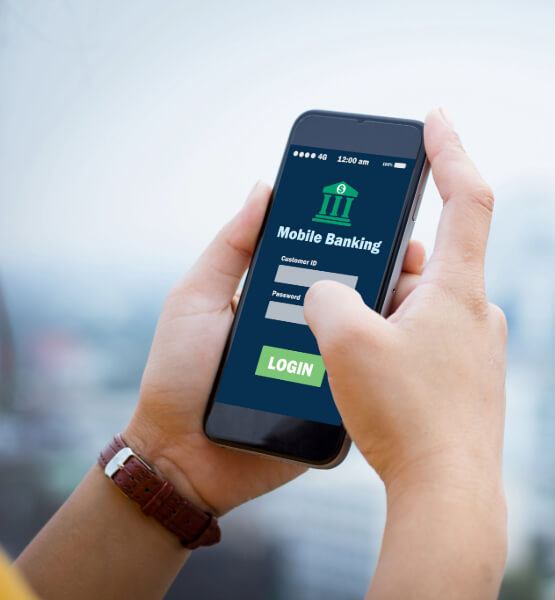
Managing your money online gives you the freedom to focus on what truly matters: your life, your goals, and your dreams. Whether you are saving for a new home, planning a family vacation, or simply managing daily expenses, digital banking tools are powerful allies in your journey toward financial wellness.
However, as we embrace the convenience of 2026’s digital landscape, we must also share a commitment to safety. Protecting your hard-earned assets is a partnership. While financial institutions work tirelessly behind the scenes to secure the vaults, you play a vital role in locking the front door.
By understanding the current cyber security landscape, you can move forward with confidence. This guide will help you recognize potential hurdles and equip you with simple, effective strategies to keep your financial data and your future safe.
Understanding the Landscape: Cyber Threats in 2026
Knowledge is your first line of defense. When you understand what you are up against, fear is replaced by empowerment. Here are the common digital obstacles we face together this year.
Unencrypted Data Risks
Think of encryption as a secret language. When data is encrypted, it turns your sensitive information, like credit card numbers or Social Security details, into a complex code that only authorized parties can read. If data is left unencrypted, it is like sending a postcard through the mail. Anyone who intercepts it can read it. Ensuring your data remains encrypted is a priority for us, and understanding its value helps you appreciate the secure systems we build for you.
Phishing Scams
Phishing remains one of the most common challenges because it targets human nature, not just technology. These attacks often arrive as emails or text messages that look like they come from a trusted friend or institution. The sender might claim there is an urgent problem with your account to trick you into revealing passwords or account numbers. Remember, we will never ask for your sensitive credentials via email or text.
Malware
Short for "malicious software," malware is a program designed to sneak onto your device. Once inside, it can monitor your keystrokes or steal private files. It often hides inside seemingly harmless downloads or email attachments. Keeping your devices clean is essential for a healthy financial life.
Ransomware
Imagine someone changing the locks on your house and demanding payment to let you back in. That is how ransomware works digitally. Hackers use this software to lock you out of your own files or accounts, refusing to restore access until a fee is paid. It is a disruptive tactic, but one that can be mitigated with proper backups and security habits.
Cloud Security Gaps
The "cloud" is simply a network of powerful servers where data lives. It allows you to access your banking app from anywhere. However, if cloud security settings are not configured correctly, it can leave a door ajar for unauthorized access. While we handle the responsibility of cloud security on our end, maintaining strong passwords on your cloud-based personal accounts is your contribution to this safety net.
Supply Chain Vulnerabilities
Sometimes the threat does not come directly to you but through a third-party service you use. If a vendor you trust gets compromised, it can have a ripple effect. Being aware of who you share your data with is a key part of modern digital hygiene.
Empowering Strategies to Protect Your Financial Journey
You do not need to be a tech expert to practice excellent cyber security. By adopting a few proactive habits, you can build a fortress around your financial data. These steps are not just about avoiding risk; they are about taking control of your financial destiny.
Navigate Public Connections with Care
We love the flexibility of checking balances while grabbing a coffee or waiting at the airport. However, public Wi-Fi networks are often unsecured open spaces. Just as you would not shout your PIN in a crowded room, avoid accessing sensitive banking apps on public Wi-Fi.
- The Fix: Use your phone's cellular data instead of public Wi-Fi for banking, or use a Virtual Private Network (VPN) to create a private, encrypted tunnel for your data.
Practice Caution on Shared Devices
Public computers at libraries or hotels are great resources, but they are not private sanctuaries. Avoid logging into financial accounts on these machines whenever possible. If you must, be diligent about logging out completely and clearing the browser's cache and history before you leave. This ensures the next user cannot retrace your steps.
Build Stronger Digital Keys
Your passwords are the keys to your digital home. If they are easy to guess, like "Password123" or your pet's name, the lock is flimsy.
- Create Complexity: Use a mix of uppercase letters, numbers, and symbols.
- Use a Manager: We know remembering complex codes is hard. A reputable password manager can generate and store unique, strong passwords for every single account you own. This relieves the burden of memory while boosting your security.
- Rotate Regularly: Changing your passwords every few months keeps you one step ahead of potential breaches.
Keep Your Software Healthy
Those pop-up notifications asking you to update your phone or computer can be annoying, but they are actually crucial safeguards. Software updates often contain patches that fix security holes hackers have discovered. By keeping your operating system and antivirus software up to date, you are helping protect your devices against the latest viruses.
Embrace Two-Factor Authentication (2FA)
Think of Two-Factor Authentication as a double-check system. It ensures that even if someone gets your password, they still cannot get in without your permission.
- How it works: After entering your password, you receive a temporary code via text or email. You must enter this code to access your account.
- Why it matters: It adds a layer of verification that proves you are who you say you are. We highly recommend enabling this on all your financial accounts for peace of mind.
Stay Alert Against Imposters
Phishing scams are getting more sophisticated, but you can outsmart them. Be skeptical of unsolicited messages that demand immediate action or threaten dire consequences.
- Verify First: If you receive a text claiming to be from us or a government agency like the IRS, do not click the link. Instead, call the official number listed on the back of your debit card or on our website.
- Trust Your Gut: If a deal looks too good to be true or a request feels invasive, pause. We are always here to help you verify if a communication is legitimate.
Monitor Your Financial Health
Regular check-ups are as good for your finances as they are for your body.
- Review Reports: You are entitled to free credit reports from major bureaus. Check them annually to ensure no new accounts have been opened in your name without your knowledge.
- Scan Statements: Glance through your monthly bank statements. If you spot a transaction you do not recognize, let us know right away. Catching these errors early prevents small issues from becoming bigger problems.
Do Not Forget Physical Security
In our digital world, paper trails still matter. Dumpster diving is an old-school tactic that still works for fraudsters.
- Shred It: Before tossing out bank statements, credit card offers, or medical bills, run them through a shredder. This simple act protects your identity from physical theft.
Be Socially Savvy
Social media is a wonderful way to connect, but oversharing can leave you vulnerable. Hackers often mine social profiles for answers to security questions, such as your mother's maiden name or your first car.
- Limit Details: Keep your profile private and be mindful of the personal milestones you share publicly. The less data you broadcast, the harder it is for bad actors to impersonate you.
If you ever have questions or suspect something is not right, reach out to us. Safeguarding your trust is our highest honor. Let us make 2026 a year of secure, confident growth together.